Key Takeaway
- For anyone exploring face slimming in Singapore, Bojin massage targets the root cause of puffiness rather than masking it at the surface.
- Facial puffiness often comes from slow lymphatic drainage, poor circulation, and fluid that pools overnight.
- In TCM, blocked meridians along the face and neck contribute to fluid stagnation and a loss of definition.
- Bojin uses a specialised tool to apply directed pressure along meridian lines, encouraging fluid movement and circulation.
- Results vary by individual, and sessions work best as part of a consistent routine rather than a single visit.
Introduction
You wake up, look in the mirror, and notice your face looks fuller than it did the night before. The jawline is less defined. There’s a heaviness around the cheeks. No amount of cold water seems to fix it quickly. For many people in Singapore, this kind of facial puffiness is a regular occurrence rather than a surprise.
Many people looking into face slimming in Singapore aren’t looking for surgery. They want a non-invasive approach that addresses what’s actually driving the puffiness. Bojin, a TCM-rooted acupressure technique working along the face and neck meridians, is one of the more frequently asked-about choices.
This blog looks at what facial puffiness actually involves, how Bojin works on it, and whether it’s worth trying.
What Causes Facial Puffiness in the First Place?
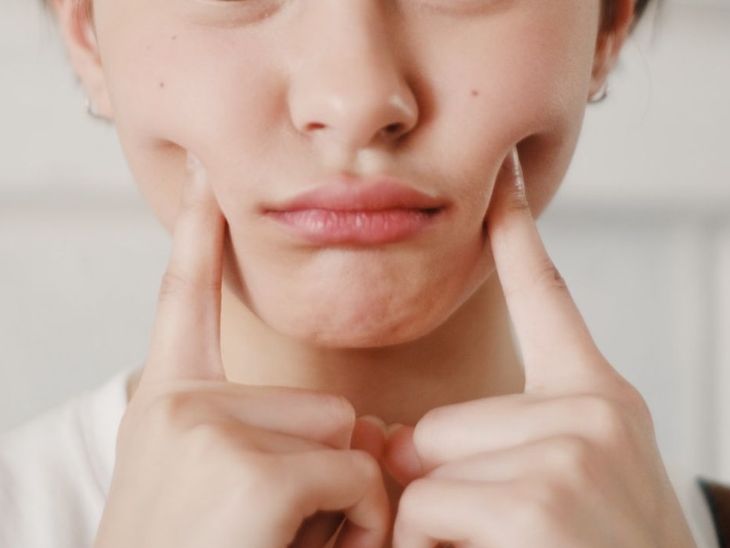
The face doesn’t puff up for a single reason. According to the Cleveland Clinic, facial fluid retention can result from something as routine as sleeping horizontally for hours. Fluid redistributes toward the head overnight. Poor sleep, high sodium intake, and sluggish circulation all make the issue worse.
The lymphatic system plays a central role. It drains excess fluid from the body’s tissues through a network of vessels. When lymphatic flow slows, fluid pools in the face and neck. That pooling shows up as puffiness around the eyes, cheeks, and jawline.
From a TCM perspective, blocked meridian pathways in the face and neck disrupt the flow of qi and body fluids. The two frameworks aren’t contradictory. They describe the same physical problem from different angles.
What Does Face Slimming in Singapore Actually Mean?
The term covers a range of non-surgical methods that reduce facial puffiness, improve jawline definition, and restore a more contoured appearance. These treatments work through circulation, fluid movement, and muscular tension.
The goal isn’t to alter bone structure or remove fat. It’s to address fluid accumulation and muscle tension that make the face appear broader or heavier than it is. Approaches include acupressure massage, TCM-rooted meridian work, and manual drainage techniques along the face and neck.
The most useful treatments in this space work with what’s happening beneath the skin, not just at the surface.
How Can Bojin Facial Massage Help With Puffiness?
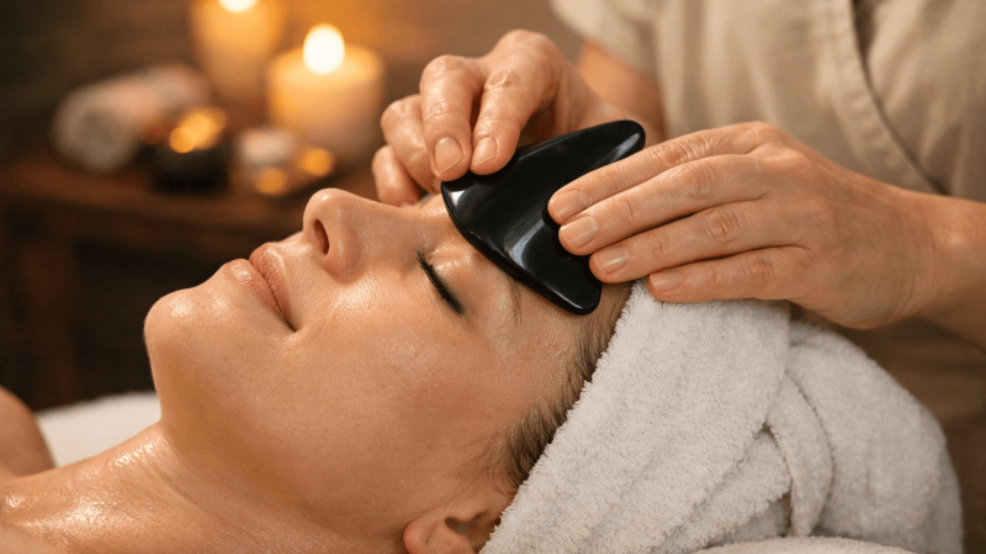
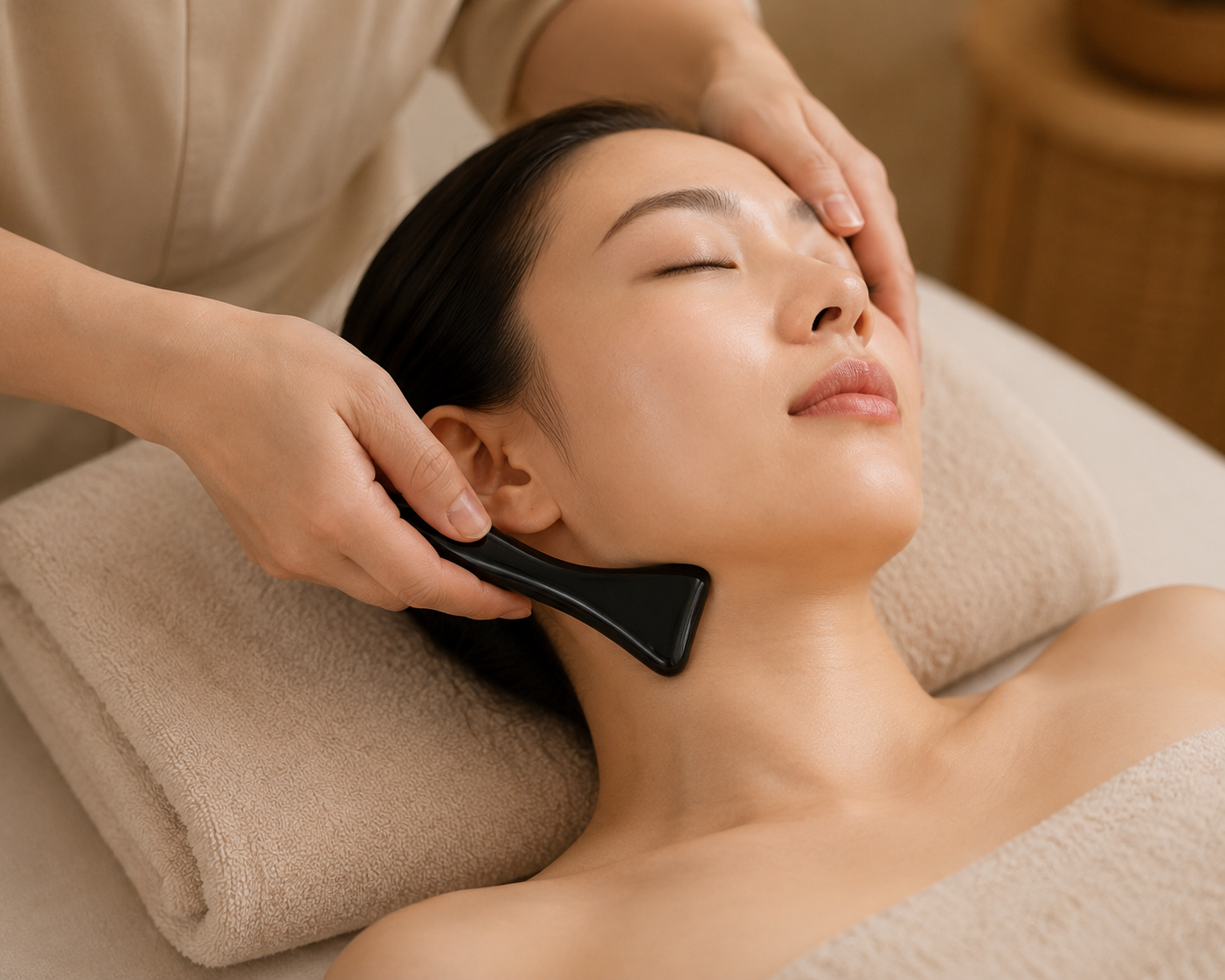
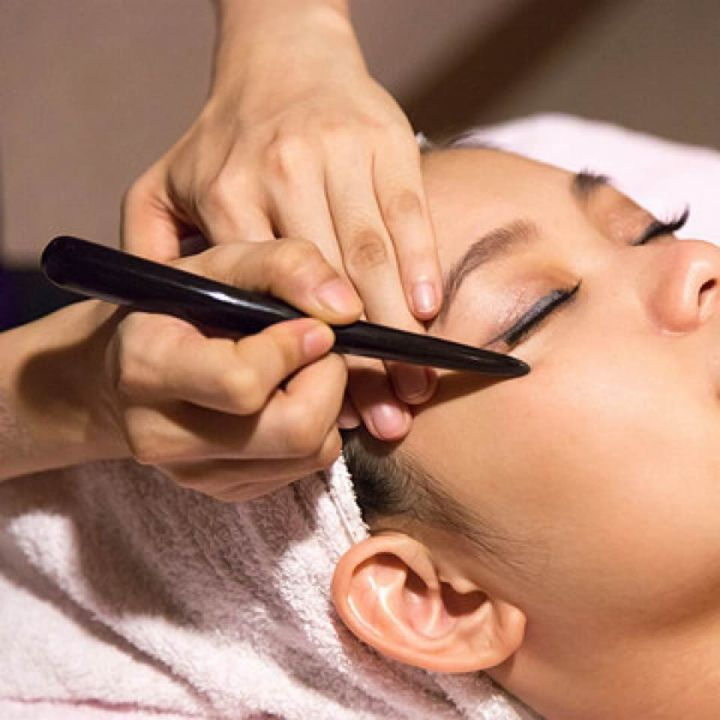
Bojin is a TCM technique using a curved ox horn tool to apply directed pressure along meridian lines of the face, neck, and jawline. The pressure moves in specific directions rather than randomly. That’s what separates it from a general facial massage.
Research published in PMC notes that acupressure along meridian points may support lymphatic flow by stimulating surrounding lymphatic vessel tissue. This aligns with how Bojin practitioners describe the treatment. The directional strokes encourage fluid toward the lymph nodes in the neck, where it can be cleared.
At Qi Health, Bojin is used alongside Gua Sha as part of their Guasha Facial and Bojin Massage treatment. The combination works on deeper meridian channels and surface tissue at the same time. It addresses muscular tension and lymphatic sluggishness together.
Most practitioners offering Bojin massage in Singapore emphasise consistency over single sessions. One visit can produce a noticeable change. The benefits build with regular treatment.
What Does a Bojin Session Actually Feel Like?
The tool is smooth and slightly curved. The therapist applies it with firm, deliberate strokes along the jawline, cheekbones, temples, and neck. The pressure is firm but not painful. Most people describe warmth building in the treated areas as circulation responds.
A gua sha facial follows similar physical logic. The directional scraping motion stimulates blood flow through the skin’s surface layers and releases tension in the fascia beneath. Mild redness is common afterward, reflecting increased circulation. It typically fades within a few hours.
The sensation during a Bojin session is often described as a deep release rather than surface-level relaxation. That distinction matters when working with fluid and tissue tension rather than stress alone.
The pressure along the jawline and neck follows the direction of lymphatic drainage. That’s why the post-session feeling includes lightness and reduced tightness rather than just calm. Sessions at Qi Health can be paired with their TCM Slimming Massage for a broader approach to fluid management.
Is This Kind of Treatment Right for You?
Can Bojin help with everyday facial puffiness?
A Bojin facial massage may help people with routine puffiness by encouraging fluid movement along the face and neck. It works with the body’s existing systems rather than overriding them. Individual responses vary. It’s not a substitute for medical care when puffiness has an underlying health cause.
Frequently Asked Questions
1. How is Bojin different from a regular facial massage?
A regular facial massage uses hands and focuses on relaxation and surface circulation. Bojin uses a specialised tool with directed pressure along meridian lines of the face and neck. It targets acupressure points linked to fluid movement and tissue health. That gives it a different functional focus from general massage.
2. How many sessions are typically needed before noticing a difference?
This varies by individual. Some people notice a visible reduction in puffiness after one session. More consistent results tend to emerge after several sessions over a few weeks. Combining treatment with good hydration, adequate sleep, and reduced sodium intake may support the outcome.
3. Is bojin massage in Singapore suitable for sensitive skin?
Bojin involves firm tool pressure, which may not suit everyone. If your skin is easily irritated or inflamed, speak with the therapist before your session. A trained practitioner can adjust the approach based on your skin’s current state.
4. Can face slimming treatments replace medical care for facial swelling?
No. If your facial puffiness is persistent, worsening, or paired with pain or difficulty swallowing, see a healthcare professional first. Bojin is suited for cosmetic puffiness linked to fluid retention. It’s not appropriate for swelling caused by an underlying medical condition.
5. Is agua shaa facial the same as Bojin?
They’re related but distinct. Gua Sha uses a flat tool scraped in one direction across the skin, stimulating blood flow and releasing surface fascia. Bojin uses a curved ox horn tool with deeper pressure along meridian points. Both can address puffiness, but Bojin works deeper into the tissue. At Qi Health, both are offered together in one session.
Facial puffiness is rarely caused by one thing, which is why surface-level fixes rarely hold. Bojin starts with the circulation and fluid dynamics beneath the skin rather than working only on what’s visible. Whether you’re dealing with morning heaviness or a softened jawline, it helps to understand what’s driving it first. Qi Health’s combined Gua Sha and Bojin treatment brings both TCM techniques into one session. Therapists tailor the approach to your face and needs. To get started, reach out through their Orchard branch
Related Articles