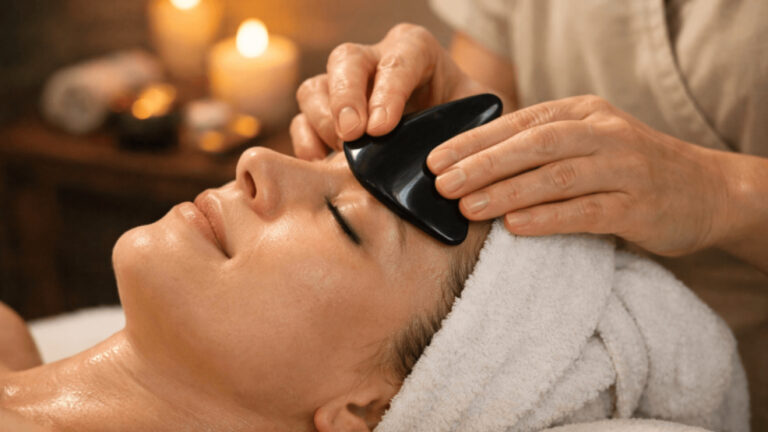
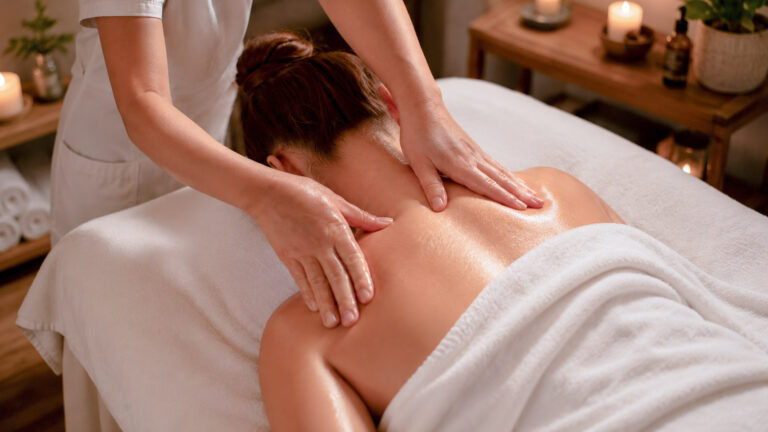
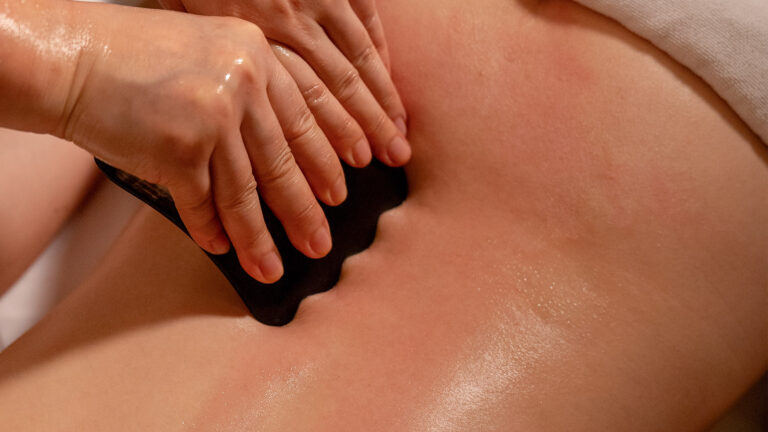
Key Takeaway
- A lymphatic drainage massage in Singapore uses light, directional strokes along the body’s fluid pathways, making it physically unlike a standard full body massage.
- The lymphatic system moves waste and excess fluid out of the tissues; when flow slows, it shows up as leg heaviness, swelling, and persistent fatigue.
- Pressure is deliberately gentle in lymphatic drainage, because the lymphatic vessels run just under the skin and respond to light touch rather than compression.
- TCM slimming in Singapore tackles fluid and metabolic balance from a different angle, using meridian-based acupressure rather than manual drainage strokes.
- Neither approach is a one-off fix. Both work better when done consistently over time.
Introduction
You’re looking at a body massage in Singapore and “lymphatic drainage” keeps showing up on the menu, sandwiched between deep tissue and aromatherapy. It sounds more medical than relaxing. The description usually mentions fluid, the lymphatic system, maybe toxins. And if you’re like most people, you’re not entirely sure what any of that means for you practically.
A lymphatic drainage massage in Singapore is quite different from other massage types, and the difference actually matters before you book. The pressure is nothing like what you’re used to. And the starting point is nothing like what you’d expect. Knowing what you’re walking into means you won’t spend the first twenty minutes quietly wondering if something went wrong.
This covers what sets lymphatic drainage apart, what a session actually looks like, and where TCM slimming fits into the same conversation.
How Is Lymphatic Drainage Different From a Standard Body Massage?
Most people sit down for a full body massage in Singapore expecting the therapist to get into the muscles. Deep tissue does exactly that, with sustained pressure into specific muscle groups. Aromatherapy massage kneads the body and uses essential oils to help you unwind. Both feel like something is actively happening.
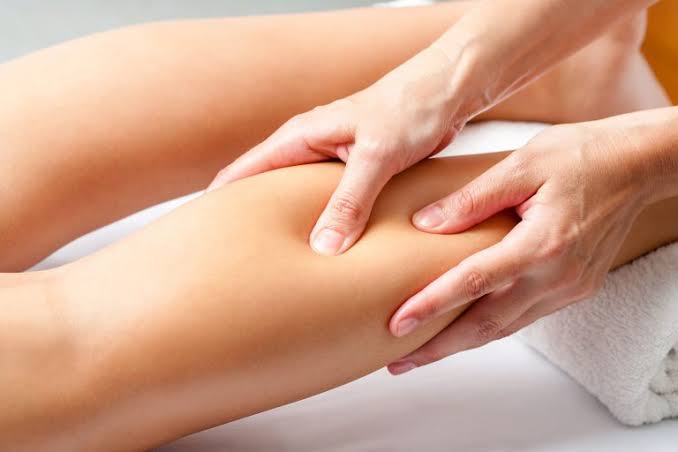
Lymphatic drainage works differently. Instead of going into muscle tissue, the therapist uses slow, rhythmic strokes that follow the body’s lymphatic pathways, nudging excess fluid toward the lymph nodes. Research confirms this as an effective way to ease fluid congestion and help the lymphatic system do what it’s supposed to do.
The pressure will likely feel lighter than you expect. That’s by design. Lymphatic vessels run close to the skin’s surface, not deep in muscle. Pressing hard on them doesn’t help move fluid; it just compresses the vessels. The light touch is what actually works.
Lymphatic drainage isn’t about loosening muscles or working out tension. The strokes are guiding fluid toward the lymph nodes so the body can process and clear it.
Where the session begins also surprises most people. The therapist starts at the lymph node clusters (neck, armpits, abdomen) and works outward from there. Clearing the drainage destination first is what allows fluid to actually move toward it. Standard massages don’t follow this order.
What Does the Lymphatic System Do?
Your lymphatic system runs alongside your circulatory system. It collects excess fluid from your tissues, filters it through lymph nodes, and sends clean fluid back into the bloodstream. On the way through, it picks up waste products and dead cells that your body needs to clear out.
When lymph flow slows down, fluid builds up in the tissues. You might notice your legs feeling heavy and tight by late afternoon, mild puffiness around the ankles, or a general bloated feeling you can’t fully explain. Some people also feel more tired than usual, since the lymphatic system plays a role in keeping your immune system running.
What causes it to slow? Sitting for long stretches, not drinking enough water, and low physical activity are the main ones. If you’re at a desk most of the day, which is most people in Singapore, you may already be feeling the effects without connecting them to lymphatic flow.
What Happens in a Lymphatic Drainage Session?
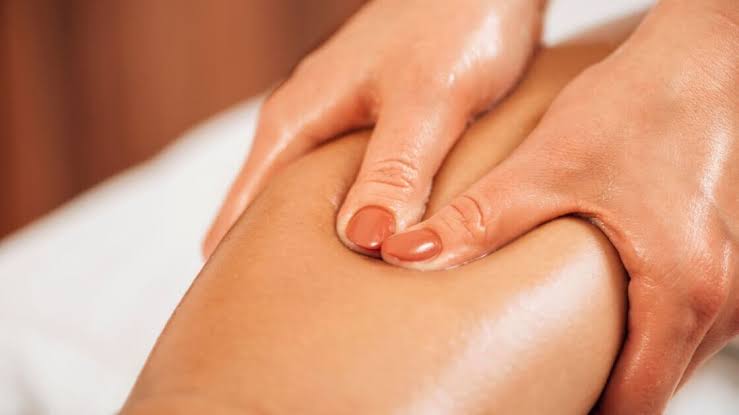
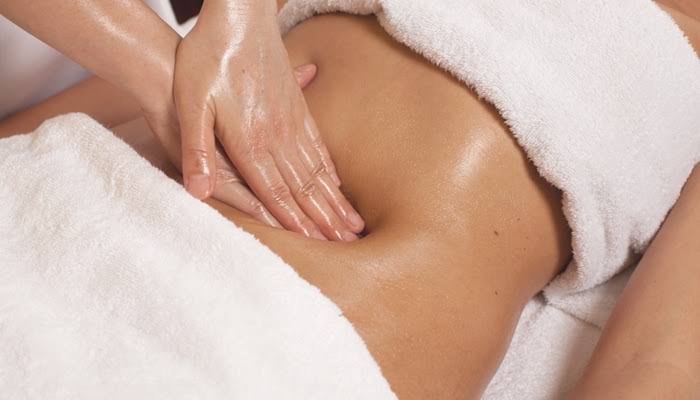
The session opens at the lymph node areas: neck, armpits, and abdomen. Most clients don’t expect this. But the therapist clears these first because they’re where the fluid needs to drain to. Once those are open, the therapist moves to the limbs and uses long, sweeping strokes from the hands and feet toward the core.
Pressure stays very light throughout. A lot of people find the session deeply calming, much more than a typical massage. Some notice they feel lighter in the days following, especially in the legs and lower abdomen. The effects tend to build with repeat sessions rather than appearing dramatically after one.
At Qi Health, the Detox Massage supports circulation and natural waste clearance through Magnetic Pole Therapy. Their Acupressure Massage works along specific pressure points to support circulation and energy flow, and pairs well if you want a more meridian-focused complement.
How Does TCM Slimming in Singapore Address the Same Problems?
TCM slimming in Singapore approaches fluid retention and body balance from a completely different starting point. Lymphatic drainage physically moves fluid through the body’s vessel network. TCM frames the same physical experience through the concept of dampness, which in TCM refers to when the body holds on to fluid it should be processing.
TCM slimming massage works along specific meridian points, including those linked to the spleen and kidney, which in TCM theory govern how the body processes fluids and digestion. The TCM Slimming Massage at Qi Health follows this approach, using targeted acupressure to address water retention and sluggish digestion.
The two treatments aren’t in competition. They deal with the same physical problem through different frameworks, which is why some people get value from both rather than choosing one.
If you have a diagnosed condition like lymphedema or you’re recovering from surgery, check with your doctor before booking either. For everyday puffiness, heavy legs, or water retention with no underlying medical cause, both are practical non-invasive options.
Is a Lymphatic Drainage Massage in Singapore Worth Booking?
Who Benefits Most From This Treatment?
People who carry water weight, feel their legs go heavy by the end of the day, come back from long flights feeling puffy, or just feel bloated and slow without a clear reason. That’s who this kind of session was designed for. For general muscle soreness or tension, a deep tissue or acupressure massage will serve you better. But for circulation and fluid-related concerns, a lymphatic drainage massage in Singapore covers ground that a standard session simply doesn’t.
Frequently Asked Questions
1. How Many Sessions Do You Need Before Noticing a Difference?
Some people feel lighter after the first session. Most see more consistent change after a few sessions spaced a week or two apart. Your lymphatic system responds better to regular attention than to a single intensive treatment, similar to how stretching works.
2. Can Lymphatic Drainage Replace a Full Body Massage in Singapore If Your Issue Is Muscle Tension?
No. The pressure is far too light to address muscle tightness, and that’s not what the technique is designed for. If tight shoulders, a stiff neck, or back pain are your main concern, deep tissue or acupressure massage is the better option. Fluid retention, puffiness, and sluggish circulation are where lymphatic drainage actually earns its place.
3. What Is the Actual Difference Between TCM Slimming and Lymphatic Drainage?
Lymphatic drainage uses manual strokes to physically move excess fluid through the body’s lymphatic vessels. TCM slimming uses acupressure along meridian lines to work on fluid retention and digestion through the lens of Traditional Chinese Medicine. Both deal with fluid-related concerns, but they use completely different methods and come from very different traditions.
4. Are There People Who Shouldn’t Get Lymphatic Drainage?
Yes. Medical guidance advises against it for people with blood clots, deep vein thrombosis, active infection, heart disease, kidney failure, or fever. If any of those apply, talk to your doctor before making an appointment.
5. Does a Standard Body Massage in Singapore Usually Cover Lymphatic Drainage?
No, it doesn’t. A standard massage focuses on muscles and relaxation. Lymphatic drainage is a separate technique with a completely different purpose, and it’s almost always listed as its own service. If you’re not sure what you’re booking, just ask the spa before you confirm.
Both lymphatic drainage and TCM slimming deal with how the body handles fluid, just from different directions. Puffiness, heavy legs, and water retention lean toward lymphatic work. Bloating, sluggish digestion, and feeling metabolically slow lean toward TCM slimming. Qi Health offers both, so if you’re not sure which fits better, their team at the Orchard branch can point you in the right direction before your first visit.
Related Articles