Key Takeaways
- Deep tissue massage can target deep muscle tensions. Different to lighter massage, a deeper tissue technique targets the deeper layers of the muscles, and the connective tissues that surround the muscles. These are the tensions often resulting from a lifetime of tightness, immobility and physical stress caused by the body’s routines.
- Muscle pain can slowly occur over time from everyday activities. Sitting for extended hours, poor posture, stress, exercise, and extended car journeys can lead to cumulative tensions within the body. Many people do not realise that tightness is becoming an issue until a certain degree of immobility has developed.
- Recovery plans are not solely for athletes. Inactive individuals, or jobs where physical demands are high are just as capable of finding the support in body recovery strategies as sportspeople are.
- Stress has a physical impact as well as psychological one. Many issues associated with tension headaches, stiffness in the neck and shoulders are strongly connected with stress and resulting deep muscle tensions.
- Balance is usually more important than intensity. A balanced recovery routine consisting of stretching, proper hydration and rest may be more beneficial in the long run than infrequent deep treatments.
Introduction
While many assume that massage therapy is mainly associated with pampering and relaxation, there are often many more factors contributing to physical tension and stress in the body other than just acute, short-term events.
Prolonged hours sitting at a computer, monotonous, repetitive movements, demanding physical labor, recuperation from exercise and postural issues-these all build up and leave the body feeling stiff, restricted and perhaps a little uncomfortable over time, which eventually can influence how your body feels in terms of flexibility, movement and general comfort throughout the day.
As the World Health Organisation (WHO) Musculoskeletal Conditions Fact Sheet reports, there are an estimated 1.71 billion people worldwide living with musculoskeletal conditions; one of the most significant causes of pain and reduced mobility globally. Thus, it becomes clear why body recovery, movement support and muscle care may still be an essential component of an overall lifestyle for so many.
In this blog we shall explore the possible health and physical benefits of deep tissue massage and discuss how this type of massage supports both body recovery and relaxation as well as what reasons people consider body recovery and the health benefits of a deep tissue massage an integral part of their overall lifestyle.
What is Deep Tissue Massage?
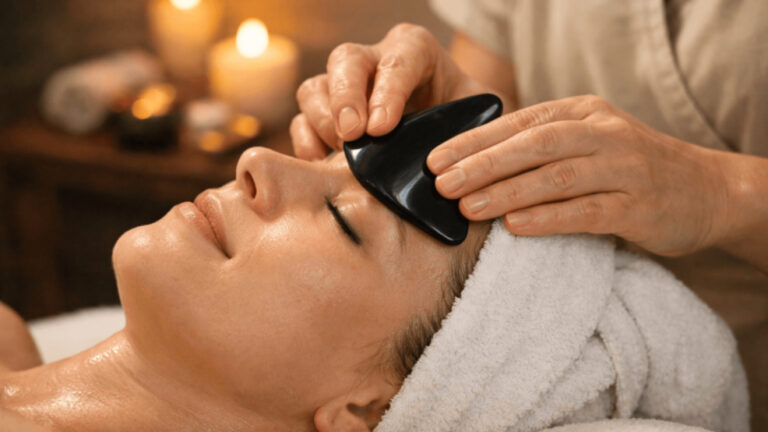
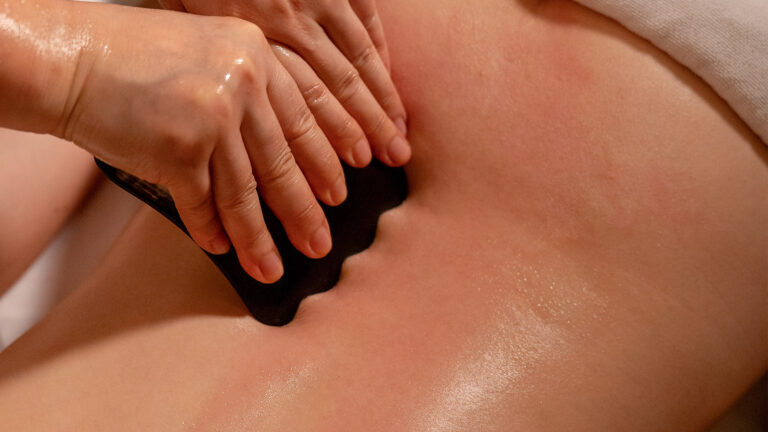
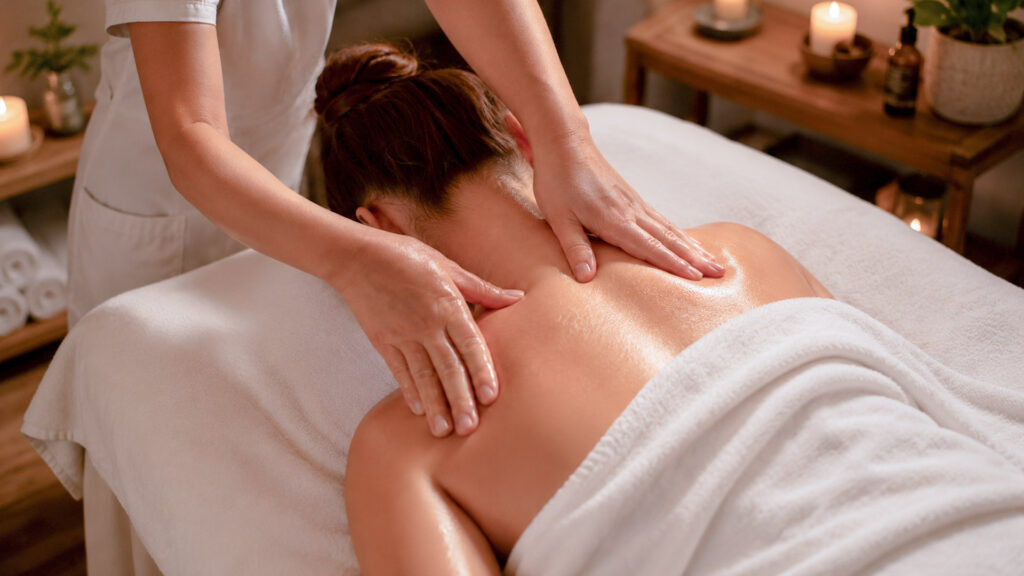
Deep tissue massage is a type of massage that works on deeper layers of muscle and connective tissue using slow strokes and firm pressure. Whereas, relaxing massage is often a peaceful experience with a lighter touch, a deep tissue massage is often more directed towards tight areas.
- Pressure in a deep tissue massage is not meant to be painful. It is used to penetrate through those tight areas where the muscles may feel stiff, tight or restricted due to exercise, bad habits or excessive repetition of movement.
- Those who look for a deep tissue massage would assume that it’s for sports massage or something for chronic muscle pain. In actuality, working adults often look for this type of treatment because their muscles will feel tense after sitting at an office chair or moving their bodies in repetitive ways.
Also, deep tissue massage is a type of massage often used more for muscle recovery and support of movement than as a primarily relaxing therapy.

Why Muscle Tension Builds Up Over Time?
Muscle stiffness doesn’t come out of nowhere without reason. It usually creeps in as a result of everyday actions and habits which repeatedly put pressure on parts of your body.
- Taking work home sitting at your desk and the repeated action of leaning forward in a laptop will cause you to build up tightness around your neck, shoulders and back over time and your sitting posture.
- Taking part in physical activity, whether you’re going to the gym, training, taking part in sports, or lifting weights regularly, puts your muscles under consistent strain.
- Stress may play an even more significant role than many people realise. In stressful times people may subconsciously clench their jaw or tighten their neck and upper shoulders and the stiffness remains even when the stressful period has passed.
- Long commutes, travelling, and those who spend most of their time on their feet could also experience similar effects with repetitive motions putting stress on muscles until movement becomes restricted or painful.
For these reasons, many people take up deep tissue massage to aid their recovery or as a holistic approach to wellbeing.
How Deep Tissue Massage May Support Physical Recovery?
Physical recovery involves more than just doing nothing post-activity. Quite often muscles actually react best when habits are contributing positively to movement, circulation and flexibility.
- Deep tissue massage is one treatment that may aid in easing tight or stiff areas of the body, often occurring when muscles feel resistant to movement. The deep pressure being exerted may help to ease up areas that have become tense from routine patterns or prolonged idleness.
- Several report improved ability to move more easily and fluidly after massage sessions especially when the pain has been having an impact on simple everyday movements. However, some may include this technique in their recovery regime along with stretching, hydration and movement exercises.
- The possible benefit of deep tissue massage may vary according to the patient and their lifestyle and body type. An individual recovering from strenuous workouts at the gym would perhaps react to this massage therapy different from a professional working in an office.
However, massage therapy should not substitute medical help for painful chronic conditions and serious injuries. Some see massage as an effective technique to aid with health maintenance and the overall recovery of the body.
The Connection Between Stress and Physical Discomfort
Stress is often described as an emotional experience, but its physical effects can be equally noticeable. During stressful periods, people commonly carry tension through the shoulders, neck, upper back, and jaw. Over time, muscles may remain tight even when the stressful situation itself has passed.
This physical tension can contribute to:
- Neck stiffness
- Shoulder tightness
- Tension headaches
- Reduced mobility
- General body fatigue
For individuals balancing demanding schedules, the body sometimes remains in a constant state of physical tension without adequate recovery.
Massage therapy may help create temporary relief by encouraging muscle relaxation and reducing physical tightness. Many people describe feeling lighter or less restricted afterwards, particularly when stress-related tension has been building for weeks or months.
People researching what is deep tissue massage benefits are often seeking this combination of recovery support and physical relaxation rather than purely spa-style pampering.
Also, massage can be quite different to lighter massage techniques. Sensitive spots within muscles can be felt more readily when having a deep tissue massage than when a lighter massage treatment is carried out.
Why Athletes and Active Adults Often Include Massage in Recovery Routines?
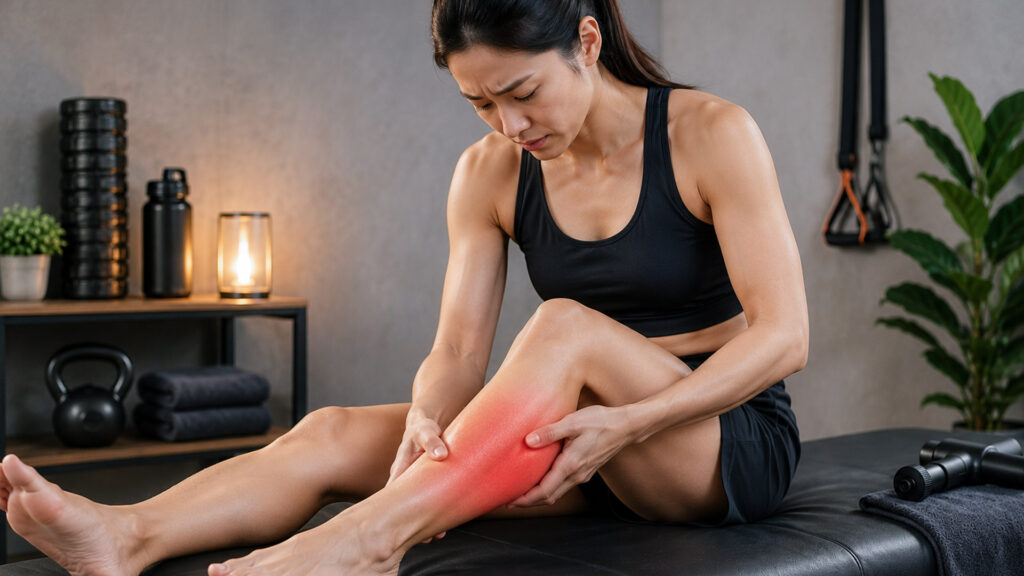
Recovery is gaining increasing importance as part of most exercise plans, especially those involving frequent bouts of exercise. In exercise that involves consistent activity, especially sport or ‘the gym’ the muscles are under a constant repetitive load from training, exercise and endurance activity.
- Recovery practices could potentially assist with the maintenance of flexibility, mobility and body condition.Massage is incorporated into many routines by way of its tendency to make the user take a great deal more notice of their physical tension.
- In some cases, clients receive a session once the body has become exhausted through intense periods of training, whereas for others they occur as part of the maintenance of the body.
The potential deep tissue massage benefits for active adults may include:
- Temporary relief from muscle tightness
- Improved movement comfort
- Support for flexibility routines
- Greater recovery awareness
- Reduced feelings of stiffness after activity
Massage alone does not replace stretching, hydration, sleep, or proper training habits. Most balanced recovery routines combine several supportive practices rather than relying entirely on one method.
For many active adults, recovery becomes less about performance enhancement and more about maintaining physical comfort consistently over time.
Building a Balanced Recovery and Wellness Routine
Massage therapy works best when included within broader recovery habits rather than treated as a standalone solution.
A balanced routine may include:
- Regular stretching
- Adequate hydration
- Consistent sleep habits
- Movement breaks during work
- Recovery-focused exercise habits
- Massage therapy when needed
People sometimes focus heavily on exercise while neglecting recovery entirely. Over time, this imbalance may contribute to stiffness, fatigue, or reduced flexibility.
Listening to physical discomfort early often makes recovery routines easier to manage. Small adjustments such as improving posture awareness or incorporating regular stretching may help reduce tension before it becomes more noticeable.
The potential deep tissue massage benefits often feel most meaningful when paired with long-term wellness habits rather than occasional reactive treatments.
Conclusion
Physical tension builds up over time, often from the everyday routine of work, body posture, physical exercise, emotional stress and the nature of repetitive motions. Occasional stiffness that one initially accepts can over time lead to restricted comfort, mobility and overall well being. Practices to aid physical recovery and promote mobility can over time enable people to feel more centered within their body.
The process of deep tissue massage is more than just applying pressure to muscles to provide temporary relief and can, for many individuals, become a more integrated aspect of their recovery process that addresses both body awareness and mobility. A sustainable pattern for consistent practice and support, rather than episodic care is often the most potent long-term strategy.
Are muscle aches, stiffness, or day‑to‑day stress getting in the way of how you want to feel? At QI Health, our experienced therapists provide deep tissue massage sessions meant to help relieve tension, support back muscle recovery, and bring you more natural physical comfort. Using Traditional Chinese Medicine ideas alongside modern wellness practices, each appointment is shaped around your personal needs and concerns.
QI Health has been set up in Singapore and trusted by clients for over 20 years. You will find a warm and friendly place where relaxation meets everyday wellness, not just a quick fix. We also have locations at City Gate Mall and Orchard, so you can choose care near home or near work. If it’s a post‑workout tightness, long hours at a desk, or general body fatigue, our team is here to help you feel lighter, refreshed, and recharged.
Make the first move toward a body that feels more comfortable, less strained. Contact QI Health today through WhatsApp at +65 8909 2331 to book your appointment and see why so many people keep coming back for our trusted massage and wellness treatments.

FAQs
- What is a deep tissue massage?
Deep tissue massage is a massage therapy in which deep massage and pressure is given to muscles. It has stronger and slow strokes to work into the deeper levels of muscles and where stress and tightness are accumulated.
- Is deep tissue massage painful?
Some places may become sore at first where the tension is accumulated over the period. However, pressure should be comfortable and may be changed as needed to meet comfort levels.
- Who can benefit from deep tissue massage?
Desk jobs individuals, active people, fitness lovers, people who struggle from tightened muscles or postural stress, may use deep tissue massage as a tool within the well being plan.
- How often should someone receive a deep tissue massage?
There isn’t an exact answer to the question as frequency may vary depending on workout schedule and level of training, relaxation goals or personal plans. For some, massages will happen regularly in an extensive lifestyle of health and wellness, other people may want their treatments only sporadically.
- What is deep tissue massage benefits for people with muscle stiffness?
Many individuals explore deep tissue massage for temporary relief from tightness, movement discomfort, and stress-related muscle tension.
Related Articles